Oral health affects more than just teeth and gums—it plays a vital role in respiratory health. The mouth is a gateway to the lungs, and bacteria from gum disease or poor hygiene can travel downward. For patients with chronic respiratory conditions, maintaining oral health becomes even more critical. Understanding this connection empowers individuals to protect both their smiles and their breathing.
The Link Between Bacteria and the Lungs
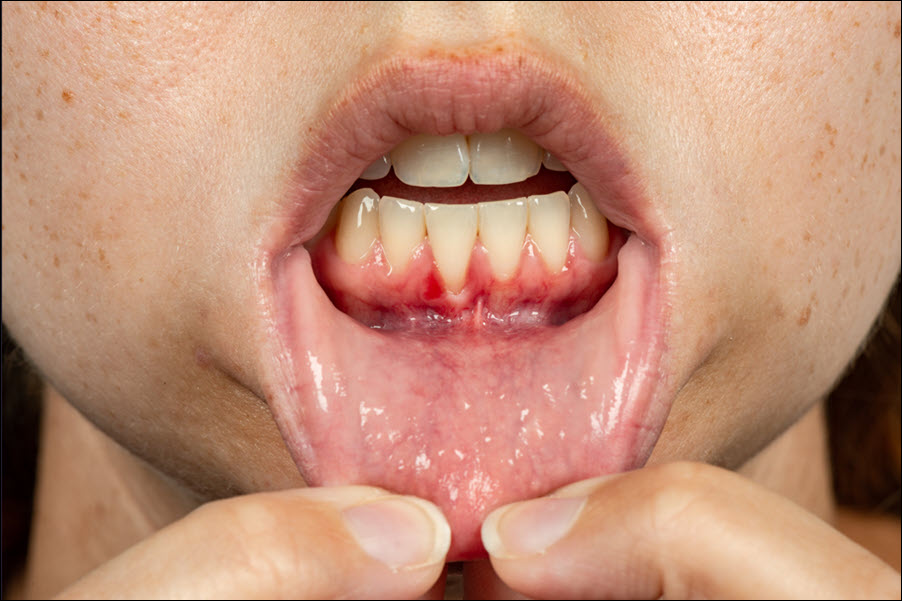
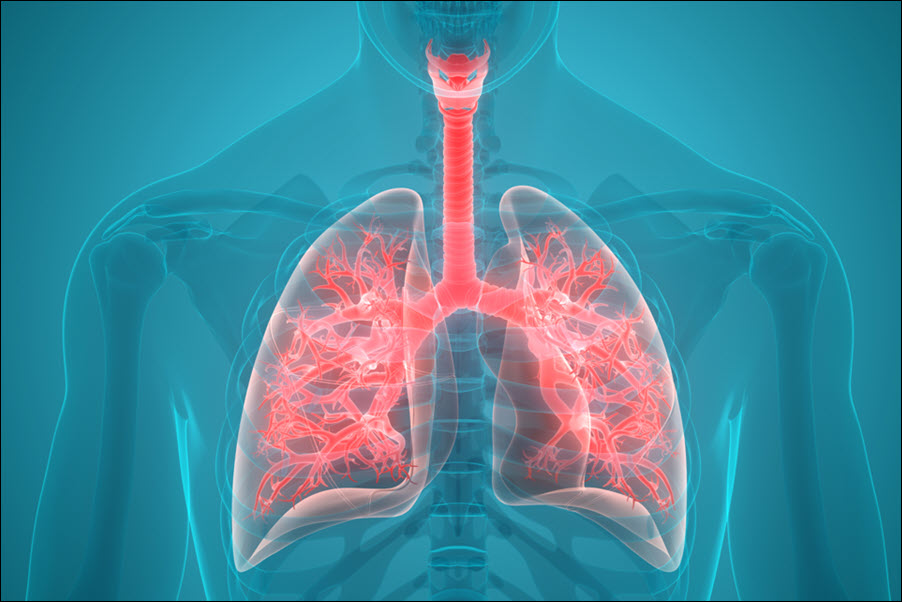
 When gum disease develops, harmful bacteria flourish in the mouth. These bacteria can be inhaled into the lungs, where they cause infections such as pneumonia or worsen existing conditions like COPD. Elderly patients, who often face both gum disease and respiratory vulnerability, are at higher risk. Regular dental care reduces bacterial load, decreasing the chances of respiratory complications.
Gum Disease and Respiratory Inflammation
Inflamed gums release inflammatory markers that circulate throughout the body. These chemicals may aggravate respiratory tissues, making conditions like asthma more severe. Research shows patients with advanced gum disease often experience more frequent respiratory flare-ups. Treating gingivitis and periodontitis not only protects teeth but also reduces inflammation that affects lung function.
Prevention Through Oral Care
Brushing, flossing, and routine cleanings significantly reduce harmful bacteria. Antimicrobial mouth rinses provide additional protection. Patients with respiratory conditions should inform their dentists so that care plans include extra precautions. Hydration also supports saliva flow, which naturally defends against bacteria. By practicing strong oral hygiene, patients decrease risks of respiratory illness.
Professional Collaboration
Dentists and physicians work together to address the oral-systemic connection. Physicians may advise patients with COPD or pneumonia risk to maintain regular dental visits. Dentists, in turn, educate patients about how gum health influences breathing. This teamwork ensures comprehensive care.
Oral health and respiratory health are closely linked. Preventive dental care reduces bacteria and inflammation, lowering risks of infections and flare-ups. By caring for their mouths, patients breathe easier and enjoy better overall health.