

Jaw pain can interfere with eating, speaking, and daily comfort. One common cause is a problem with the temporomandibular joint, often called TMJ. This joint connects your jaw to your skull and allows smooth movement. When it becomes irritated or misaligned, it can lead to discomfort and limited function. Understanding TMJ and jaw pain helps you find effective relief.
What Causes TMJ and Jaw Pain?
Several factors can contribute to TMJ disorders. Teeth grinding or clenching places excessive pressure on the joint and surrounding muscles. Stress often increases this behavior, especially at night.
Injury to the jaw, arthritis, or misaligned teeth can also affect how the joint functions. Poor posture, especially when using phones or computers, can strain jaw muscles over time.
Identifying the cause is important for choosing the right treatment and preventing further damage.
Common Symptoms to Watch For
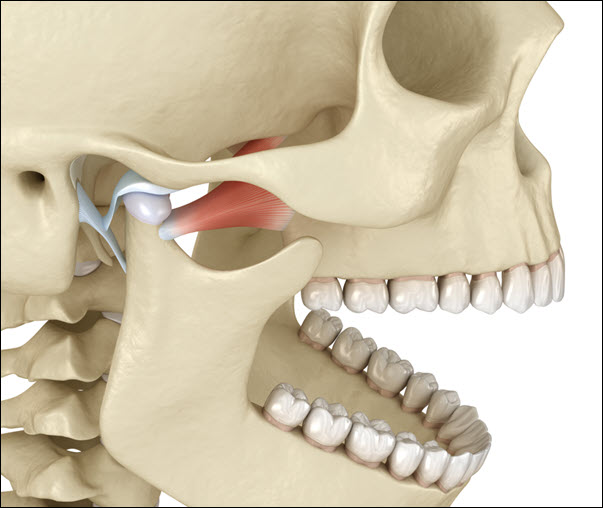 TMJ and jaw pain can present in different ways. You may feel soreness or tenderness near the jaw joint, especially when chewing or speaking. Clicking or popping sounds when opening your mouth are also common.
Some people experience headaches, ear pain, or a feeling of pressure around the face. Limited jaw movement or locking can make it difficult to open or close your mouth fully.
If these symptoms persist, you should seek a professional evaluation.
At-Home Relief for Jaw Pain
You can manage mild TMJ symptoms at home. Apply a cold or warm compress to reduce inflammation and relax muscles. Eat soft foods and avoid chewing gum or hard items that strain the jaw.
Practice gentle jaw exercises to improve movement and reduce tension. Managing stress through relaxation techniques can also help reduce clenching.
Over-the-counter pain relievers may provide temporary relief, but they should not replace professional care if symptoms continue.
Professional Treatment Options
If jaw pain persists, a dentist or specialist can recommend treatment. Custom night guards help reduce grinding and protect the joint during sleep.
Physical therapy may improve jaw function and reduce muscle tension. In some cases, medications or injections may be used to manage inflammation and pain.
Severe cases may require more advanced treatments, but most patients find relief with conservative methods.
Prevent Future TMJ Issues
Preventing TMJ problems starts with healthy habits. Maintain good posture, especially when working at a desk. Avoid clenching your jaw and be mindful of stress-related tension.
Regular dental visits help identify early signs of grinding or misalignment. Addressing issues early can prevent more serious discomfort.
Find Lasting Relief
TMJ and jaw pain can affect your quality of life, but effective solutions are available. By recognizing symptoms, using at-home care, and seeking professional treatment when needed, you can restore comfort and protect your jaw health.