

Tooth decay is one of the most common dental problems for children and adults. Fortunately, when a cavity is detected early, a dental filling can often repair the damage and help prevent decay from progressing further.
At East Main Street Dentistry, dental fillings are an important part of restorative care. Treating cavities promptly can preserve more of your natural tooth and help you maintain a healthy, comfortable smile.
What Is a Dental Filling?
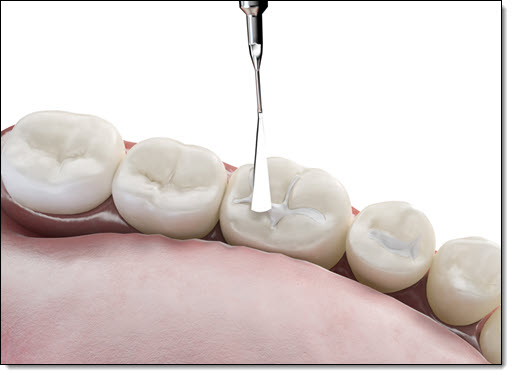 A dental filling is a restoration used to replace tooth structure that has been damaged by decay. Your dentist removes the decayed portion of the tooth, cleans the area, and fills the space with a restorative material.
Fillings can also be used in certain situations to repair minor chips, worn areas, or other small areas of tooth damage.
Tooth-colored composite resin is a popular filling material because it can be matched to the shade of your natural teeth. This helps the restoration blend with your smile.
How Do You Know If You Need a Filling?
Not every cavity causes a toothache. In fact, early tooth decay may produce no noticeable symptoms. Routine dental examinations and appropriate X-rays can help identify cavities before they become larger.
As decay progresses, you may experience:
- Sensitivity to hot or cold temperatures
- Discomfort when eating sweets
- Pain when biting or chewing
- A persistent or occasional toothache
- A visible hole or dark area on a tooth
- Food repeatedly becoming trapped around a tooth
These symptoms do not always mean that you have a cavity. A dental examination is necessary to identify the cause and determine the appropriate treatment.
Why Should Cavities Be Treated Early?
Once a cavity has formed, the damaged tooth structure cannot repair itself. Without treatment, decay may continue through the enamel and reach deeper portions of the tooth.
If bacteria eventually reach the dental pulp, the tooth can become inflamed or infected. At that stage, more extensive treatment, such as root canal therapy and a dental crown, may be necessary.
Treating a smaller cavity with a filling can help preserve healthy tooth structure and reduce the likelihood of more complicated dental problems.
What Happens During a Dental Filling?
Getting a filling is generally a straightforward procedure. First, the treatment area is numbed to help keep you comfortable.
Your dentist then removes the decayed tooth structure and carefully cleans the area. The filling material is placed and shaped to restore the tooth’s natural form.
For a composite filling, the material is typically applied in layers and hardened using a special curing light. Finally, your dentist checks your bite and polishes the restoration.
How Long Do Dental Fillings Last?
Dental fillings can last for many years, but they are not permanent. Their lifespan depends on factors such as the size and location of the filling, your bite, oral hygiene, and daily habits.
Over time, a filling may wear, chip, crack, or loosen. Decay can also develop around the edges of an older restoration.
Regular dental examinations allow your dentist to monitor existing fillings and identify signs of trouble early.
Prevent Cavities With Good Dental Care
Brush twice daily with fluoride toothpaste and floss every day. Limiting frequent sugary snacks and drinks can also help reduce your risk of tooth decay.
Professional cleanings and regular dental examinations provide additional protection by helping your dental team identify problems before they become more serious.
East Main Street Dentistry provides dental fillings and comprehensive restorative care to help patients protect their natural teeth. If you have tooth sensitivity, discomfort, or think you may have a cavity, contact our office to schedule an evaluation.
