
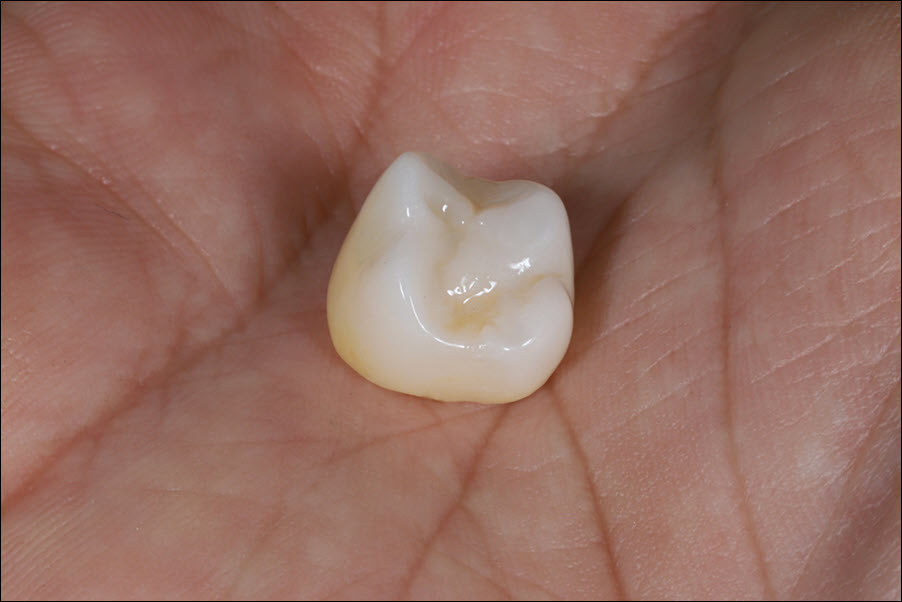
A tooth can become weakened by decay, a large filling, an injury, or years of wear. When a filling alone cannot provide enough protection, a dental crown may be recommended to restore the tooth’s strength, shape, and appearance.
At East Main Street Dentistry, dental crowns are one of the restorative options available to help patients preserve damaged natural teeth and maintain healthy, functional smiles.
What Is a Dental Crown?
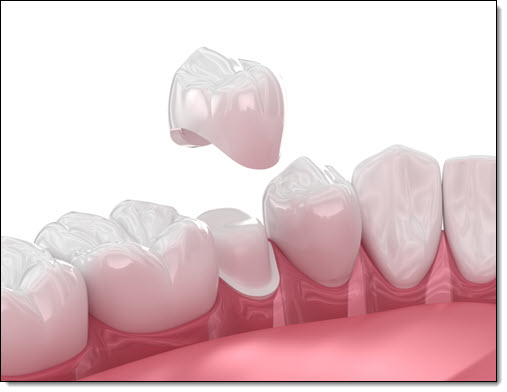 A dental crown is a custom-made restoration that covers the visible portion of a tooth above the gumline. You may also hear a crown referred to as a dental cap.
Crowns are designed to restore the size and shape of damaged teeth while providing additional protection. Depending on the material used, a crown can also be matched to the color of your surrounding teeth for a natural appearance.
Why Might You Need a Dental Crown?
Dental crowns are versatile restorations that may be recommended for several reasons. A crown may be used to:
- Protect a cracked or weakened tooth
- Restore a badly broken or worn tooth
- Repair a tooth with significant decay
- Strengthen a tooth with a large filling
- Protect a tooth after root canal therapy
- Improve the appearance of certain teeth
- Complete a dental implant
- Support certain types of dental bridges
Your dentist will evaluate how much healthy tooth structure remains before recommending the most appropriate restoration.
What Happens When You Get a Dental Crown?
The dental crown process begins with an examination of the affected tooth. Dental X-rays may also be needed to evaluate the tooth roots and surrounding bone.
The tooth is prepared by removing damaged areas and shaping it so the crown can fit securely. An impression or digital scan is then used to create a restoration designed for your tooth and bite.
Depending on the type of crown and treatment process, a temporary crown may protect your tooth while the final restoration is being made.
When the permanent crown is ready, your dentist evaluates its fit, shape, color, and bite before securing it in place.
How Long Do Dental Crowns Last?
Dental crowns can provide many years of service, but their lifespan varies. Your oral hygiene, bite, diet, and habits can all affect how long a restoration lasts.
Grinding or clenching your teeth may place excessive force on a crown. Chewing ice or other very hard objects can also damage both crowns and natural teeth.
Regular dental examinations allow your dentist to check the crown and the tooth underneath it for potential problems.
How Do You Care for a Dental Crown?
A crowned tooth still requires excellent oral hygiene. Although the crown itself cannot develop a cavity, the natural tooth underneath it can still experience decay, particularly near the crown’s edge.
Brush twice daily using fluoride toothpaste and floss every day. Pay special attention to the area where the crown meets the gumline.
Professional cleanings and routine dental examinations are also important for protecting your crown and surrounding gums.
Restore Your Smile With Dental Crowns
A damaged tooth does not always need to be removed. When enough healthy tooth structure remains, a dental crown may help restore strength and function while protecting the tooth from additional damage.
East Main Street Dentistry provides dental crowns and comprehensive restorative dental care to help patients maintain healthy, comfortable smiles. If you have a cracked, broken, worn, or weakened tooth, contact our office to schedule an evaluation and discuss your treatment options.
